Cold Noodle Cup: Nissin celebrates its 55th anniversary with Cup Noodles that are prepared with cold water
Japan 21 h agoAdd to bookmarks
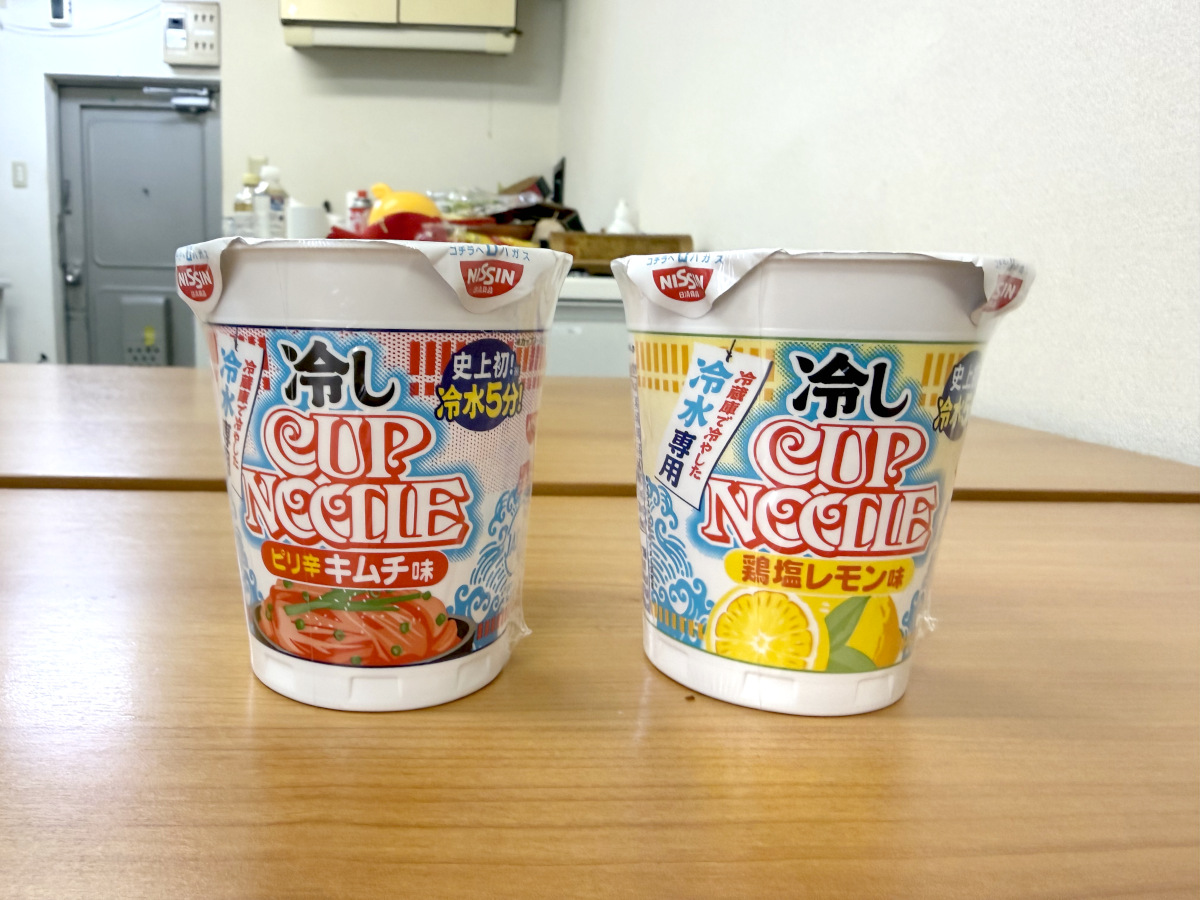
Released in Japan on July 20, 2026 to celebrate the brand's 55th anniversary, the Hiyashi Cup Noodle (冷やしカップヌードル, "Cold Cup Noodles") are based on a patented cold rehydration method - five minutes of fridge water is enough instead of the usual three minutes of boiling water.
The context
Nissin (日清食品) launched the first Cup Noodle in September 1971. Fifty-five years later, the Osaka-based company is celebrating the anniversary of its iconic brand by tackling a pillar of its product: the need for boiling water. On July 20, 2026, Japan will see the arrival of the 冷やしカップヌードル (hiyashi kappunūdoru, literally "chilled Cup Noodle"), which is prepared solely with cold water from the refrigerator.
Two flavors make up the launch:
- Spicy Kimchi (キムチ, kimuchi, a reference to Japanese-inspired Korean cuisine, very present on Japanese shelves)
- Chicken Salt-Lemon (チキンソルトレモン, chikin soruto remon)
The preparation time is five minutes, compared to three for the classic hot version.
The technical innovation
The core of the product lies in the structure of the noodles. Nissin describes a patented "cold rehydration method": the noodles are made with a different physical profile - more rounded and thinner, instead of the completely flat cut of the original. This geometry increases the surface area for exchange with water and facilitates fluid absorption without heat, whereas the hot version relies on temperature to quickly rehydrate noodles dried by flash-frying (揚げ麺, ageMen).
The key point: this is not a freeze-dried (フリーズドライ) version. It's a reformulation of the same family of fried noodles to allow cold rehydration - a true product R&D effort, in the tradition of Nissin, which built its reputation on ingredient innovations (Chicken Ramen 1958, Cup Noodle 1971, Space Ram 2005 for the ISS station).
The SoraNews verdict
The SoraNews24 tester reports that the result "totally exceeds expectations": the noodles retain their familiar texture with the expected bite, the toppings soften completely. Both flavors are designed for the summer season - chilled kimchi, refreshing chicken-lemon - in line with the hiyashi (冷やし, "chilled") menus that mark the Japanese summer: hiyashi chūka, hiyashi somen, hiyashi udon.
What to remember
The product remains, at this stage, exclusive to the Japanese market - no announcement of exports. This is not a marketing gimmick for the anniversary: it's a reformulation that opens a new possible category (instant noodles without heating) and could, in the long term, interest the markets for mobile bento or outdoor activities. For now, you'll need a detour through a Japanese konbini or a friend on site.
For those interested in instant ramen culture beyond the novelty: the Cup Noodles Museum (カップヌードルミュージアム) in Ikeda (Osaka) and Yokohama documents this product history and is worth a visit.
Article produced by artificial intelligence, reviewed under human editorial control.
The saga
Nissin et l'R&D produit du ramen instantané
- 1Cold Noodle Cup: Nissin celebrates its 55th anniversary with Cup Noodles that are prepared with cold water20/07/2026
- 2Cold Noodle Cup: Nissin Launches the First-Ever "Cold Water" Cup Noodle for Its 55th Anniversary21/07/2026