Zelda: Tears of the Kingdom - at Nintendo, fewer than ten people knew
Video Games 18 h agoAdd to bookmarks
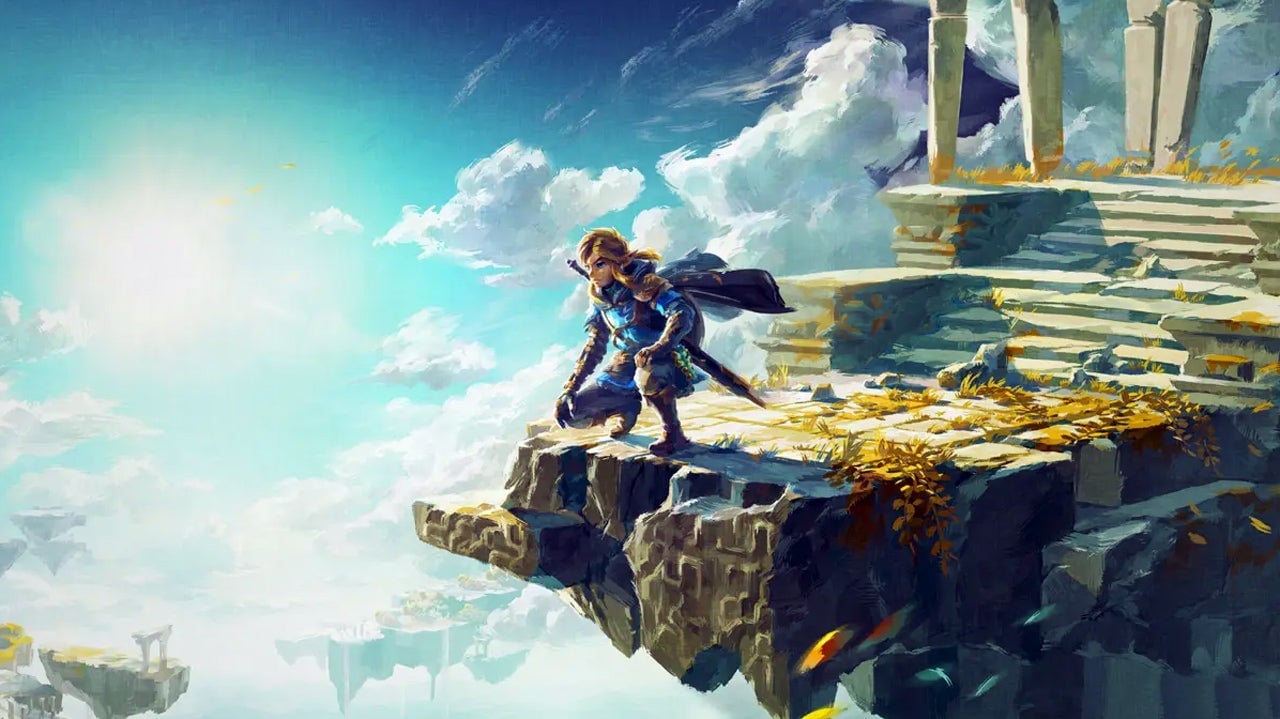
Kotaku reports on the extreme lockdown of the Zelda TotK reveal. To us, this reminds us why Kyoto's culture of secrecy remains the antithesis of the loud comms of the rest of the industry.
At Nintendo, fewer than ten people knew about Tears of the Kingdom
Kotaku publishes a paper this weekend on the culture of secrecy in Kyoto, and a figure stands out: fewer than ten people at Nintendo knew the real content of the reveal of The Legend of Zelda: Tears of the Kingdom. To us, this reminds us why the Japanese company remains, in 2026 as it was twenty years ago, the absolute antithesis of the communication of the competition.
An extremely reduced circle
The anecdote comes from testimonies of former employees in Kyoto relayed by Kotaku: the exact nature of the reveal - Ultrahand, Fuse, Recall mechanics - had been shared only with a very restricted circle, even internally. In an industry where the slightest Xbox reveal leaks in advance via court documents (let's recall the FTC vs Microsoft trial in 2023), Nintendo continues to compartmentalize to the point of nausea.
Why it works
We have seen, over the last decade, almost all major PlayStation and Xbox announcements leak before their time. Not Nintendo. The company has a near-military culture of silence: small teams, critical outsourcing avoided, communication locked down in Kyoto. The price to pay is little media anticipation and reveals that fall "cold" on a Direct. But when it works - like for TotK - the peak of attention is titanic.
What we take away
Secrecy is not a whim; it's a doctrine. At Nintendo, a gameplay leak before its time is perceived as a theft of the promised pleasure to the player. In the era of three-year roadmaps and over-marketing, there is something refreshing - almost artisanal - in this practice.
Note: 8/10 as a communication lesson. It remains to be seen whether the strategy holds up against a TikTok generation that hates to wait. Key takeaway - when everyone else sells their game two years before its release, Nintendo remains the last to preserve the Direct effect. For whom - Zelda fans, but above all those curious about the Japanese video game business.
Article produced by artificial intelligence, reviewed under human editorial control.