AMD Zen 6 "Medusa Point" leak: a 10-core APU that competes with the Apple M5
Hardware 18 h agoAdd to bookmarks
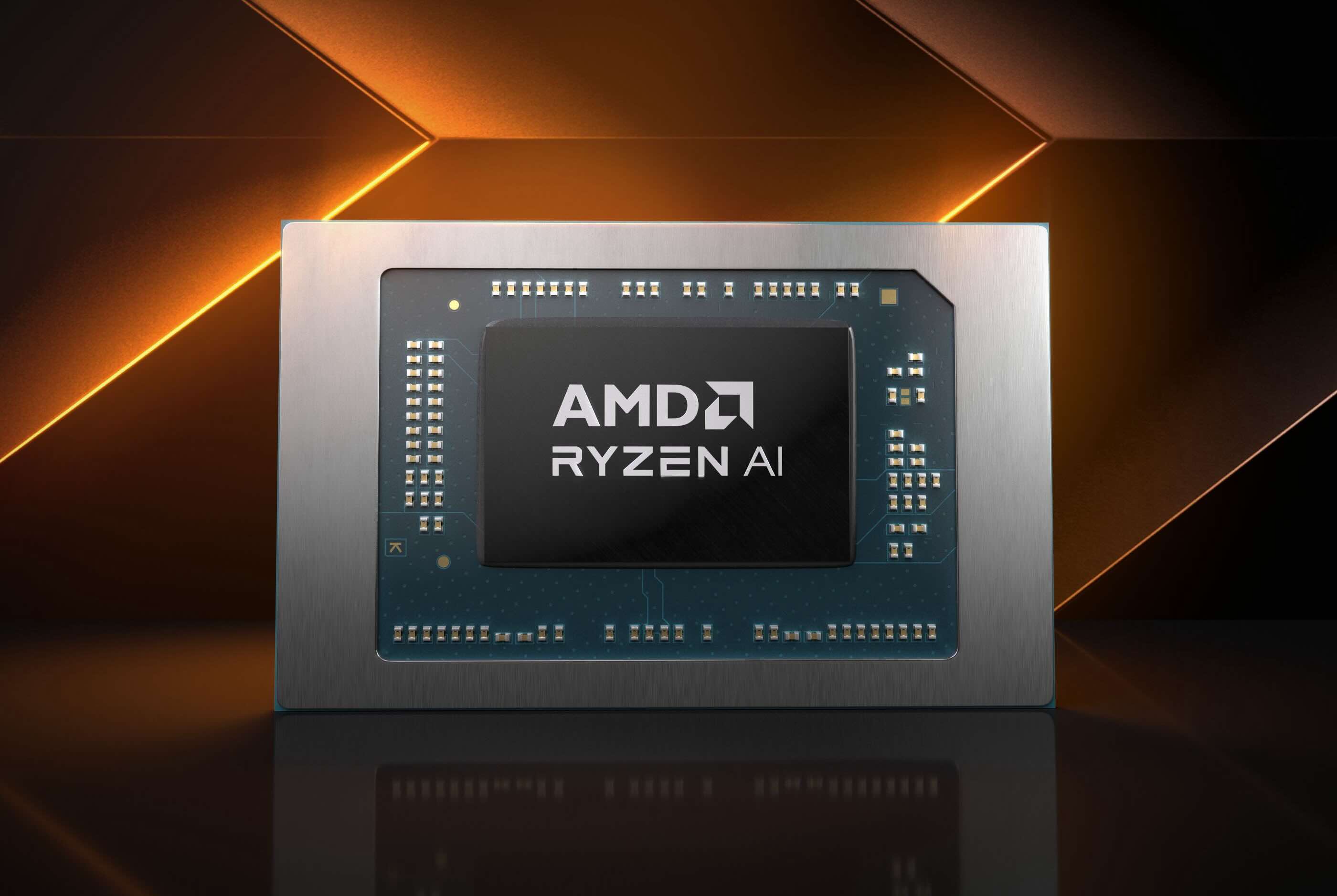
A Geekbench score for the AMD Zen 6 "Medusa Point" 10-core APU has leaked. At just 2,152 MHz, it would trade blows with the Apple M5 9-core. Cautious analysis.
AMD Zen 6 « Medusa Point » Leak: A 10-Core APU That Trades Blows with Apple M5 at 2.15 GHz
Notebookcheck reports a Geekbench leak that will get hardware watchers talking this weekend. An AMD Zen 6 APU codenamed « Medusa Point », featuring 10 cores, has been benched on the public database - and despite a maximum clock speed displayed at only 2,152 MHz, it « trades blows » (Notebookcheck's phrase) with the Apple M5 9-core.
Design
- Generation: Zen 6 (successor to Zen 5).
- Codename: Medusa Point.
- Format: APU (CPU + integrated GPU, targeting mobile / mini-PC).
- Leak config: 10 active cores, max frequency recorded by Geekbench 2,152 MHz.
- Comparison: Apple M5 (reference cited: 9-core version).
Hands-on
None: this is an ES (engineering sample) at AMD, not commercialized. The leak comes from the public Geekbench database (automatic uploads from runs). Notebookcheck did not share screenshots of the sub-scores.
Performance
The title is clear: trades blows with 9-core Apple M5. In other words, a score very close to the M5 in multi-thread. Zen 5 had already widened the gap with the M4 in multi-thread, but was still lagging in single-thread IPC and perf/watt. The leak does not decide but suggests progress if the ratio at 2.15 GHz is real: at this frequency, a significantly higher IPC is needed to keep up with an M5 in boost.
The final turbo on commercial silicon will be much higher: on mobile Ryzen APUs, early Geekbench leaks often run throttled at pre-silicon frequencies.
What to Relativize
- Geekbench 6 historically favors Apple architectures on single-core (short workload, cache-friendly).
- A leak = a runtime = no average. To be taken with a grain of salt.
- The effective TDP is not known. Without this figure, the perf/watt comparison remains theoretical.
Verdict
This is an encouraging but preliminary signal. If Zen 6 holds up on final silicon, AMD could close part of the perf/watt gap with Apple Silicon in 2026-2027. We await official confirmation and independent tests to decide.
Summary
| Point | Zen 6 « Medusa Point » (leak) | Apple M5 9-core |
|---|---|---|
| Cores | 10 | 9 (P+E) |
| Recorded Frequency | 2,152 MHz | typical boost >4 GHz |
| Geekbench Score | ≈ M5 (multi-thread, according to Notebookcheck) | ref |
| Commercial Window | 2026-2027 | already on the market |
Article produced by artificial intelligence, reviewed under human editorial control.